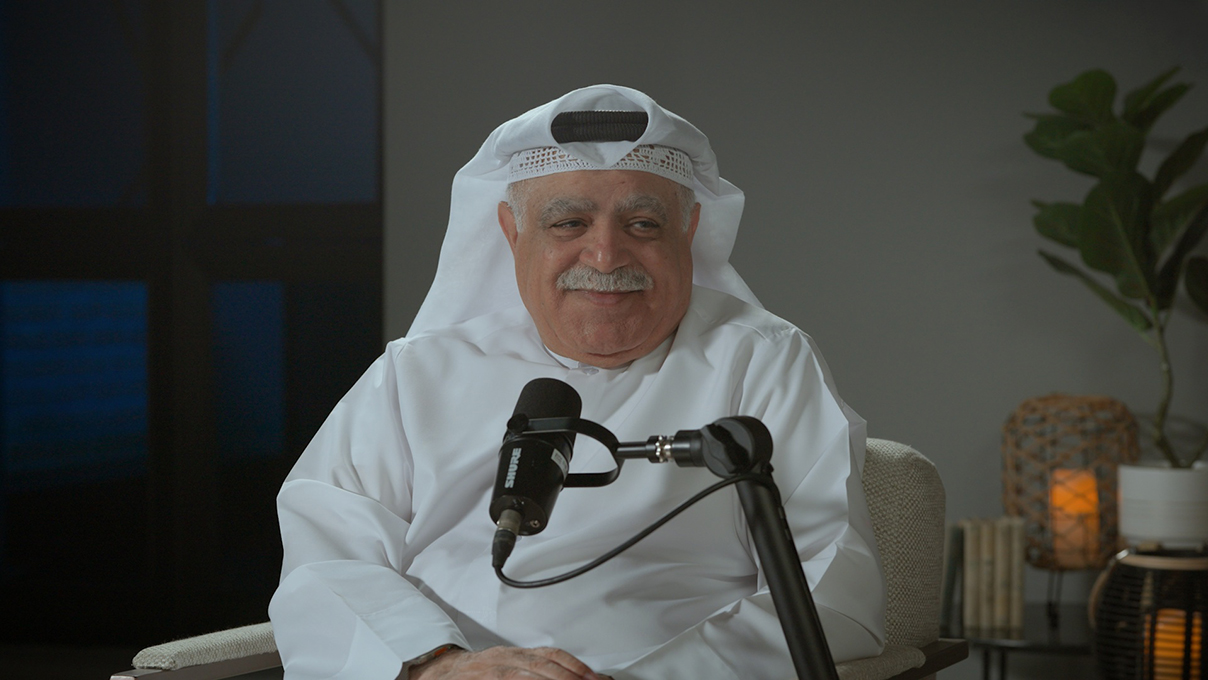
In this episode of The Ajyal Show, Qatari heritage researcher Mohamed Al Blouchi rewinds to the first frames of cinema in Qatar. Before there were modern theatres, there were Friday screenings in Dukhan, where the wonder of moving images drew eager audiences, with some gathering on a nearby hill to catch a glimpse. From there, film was welcomed into people's homes, where a white sheet could become a screen and a large house could bring the entire fareej together. By the late 1960s and early 1970s, cinemas such as Al Amir, Al Andalus, Al Ahli and Qamar carried the experience into public life in Doha. Long before trailers, posters travelled the city on a moving vehicle, and anticipation began in the streets. Bruce Lee films drew overflowing crowds, popular Indian films ran for weeks, and screenings were lively, communal occasions, with the audience always part of the experience.
Mohamed traces how a community fell in love with the art form, first as a window onto the wider world, then as a craft to be studied and, in time, a story to be told in its own voice. He points to 'Bas Ya Bahar' as the moment Gulf cinema began speaking from within its own environment. His message to today's filmmakers is clear. The local detail is the universal story, and the future of cinema in the region will be built by carrying your own heritage and connection to the land onto the screen.
To learn more about Doha Film Institute's initiatives, workshops and funding that help support Qatar’s creative community, visit our website here.