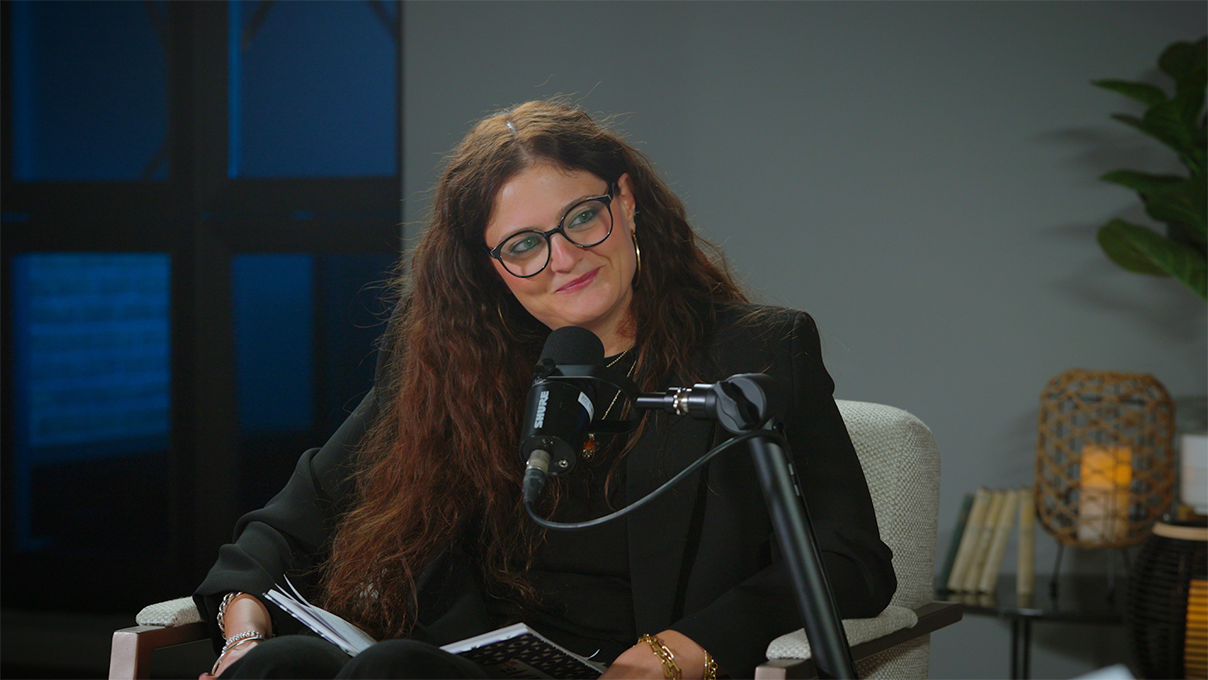
In this eye-opening episode of The Ajyal Show, scholar Dr. Mariam Karim turns back the pages of media history to recover the stories of the Arab women who helped write it. Lebanese-Iraqi, raised in Beirut and shaped by years in the UAE and Canada, Mariam brings a perspective that moves between places, archives and languages.
Her research began with a question of who gets the credit. Watching the 2011 Arab uprisings discussed in Western classrooms and media, she noticed how often platforms such as Facebook and X were treated as the Dr.ivers of action that people across the region had long been organising for themselves. The turning point came when she placed Arabic-language sources at the centre of her work, allowing Arab knowledge to stand on its own terms.
What she found was clear. The women were never missing. They were writing, publishing and helping to build the region’s print and broadcast infrastructure. For many of them, education, language and liberation were inseparable, and preserving Arabic was part of a wider pursuit of dignity and self-determination. Their vision was holistic, never separating women’s rights from questions of land, politics and society.
Mariam also reflects on how media takes its meaning from whoever holds it. It can reinforce dominant narratives or carry counter-narratives, and she explains how Orientalist images once served ideas of Western superiority. Erasure, she notes, is often a decision, made by publishers and institutions about which stories may circulate.
That is why she founded Nasawiyyah, to bring this history out of the archive and back into public life, where it can inspire new research, films and stories for the next generation.
To learn more about Doha Film Institute’s initiatives, workshops and funding that help support Qatar’s creative community, visit our website here.