International Feature Film Competition
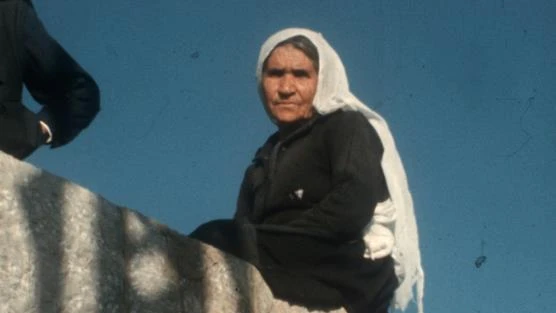
In October 2018, the veteran Lebanese filmmaker Jocelyne Saab reached out to the filmmaker and archivist Mohanad Yaqubi with an invitation to collaborate. She died three months later, having never received an answer. A lyrical expedition through the life, political commitments and artistic vision of Saab, a singular voice in a revolutionary time, this film is Yaqubi’s answer. A cinematic collaboration that imagines what their conversation might have been, built from the 113 reels she spent her life preserving.
In October 2018, the veteran Lebanese filmmaker Jocelyne Saab reached out to the filmmaker and archivist Mohanad Yaqubi with an invitation to collaborate. She died three months later, having never received an answer. A lyrical expedition through the life, political commitments and artistic vision of Saab, a singular voice in a revolutionary time, this film is Yaqubi’s answer. A cinematic collaboration that imagines what their conversation might have been, built from the 113 reels she spent her life preserving.
In October 2018, the archivist and filmmaker Mohanad Yaqubi received an unexpected email from Jocelyne Saab, proposing a cinematic collaboration. It ended, "give me a sign of life so that we can begin”. He had not replied when she died three months later, leaving the request as a final, open question. Compelled to understand why she had reached out to him, Yaqubi entered her archive, 113 reels of 16mm shot between 1973 and 1983, tracing the threads between artistic expression and political struggle, and the intimate consequences of a life given to revolution.
Saab was born in Beirut in 1948 and became a war reporter for French television before going independent in 1975, filming the Palestinian resistance, the Lebanese civil war, Western Sahara, Egypt’s bread riots and the Israeli siege of West Beirut. She spent her last years depositing her reels at the CNC in Paris so they would survive her. Yaqubi builds his film as a letter that will never be delivered, splicing her footage in chronological order and letting her own voice answer him across fifty years. Partway through the work, photographs reached him of his own family home in Gaza, destroyed. We are still seeing the same images, he writes to her, fifty years after you filmed them.
Saab was born in Beirut in 1948 and became a war reporter for French television before going independent in 1975, filming the Palestinian resistance, the Lebanese civil war, Western Sahara, Egypt’s bread riots and the Israeli siege of West Beirut. She spent her last years depositing her reels at the CNC in Paris so they would survive her. Yaqubi builds his film as a letter that will never be delivered, splicing her footage in chronological order and letting her own voice answer him across fifty years. Partway through the work, photographs reached him of his own family home in Gaza, destroyed. We are still seeing the same images, he writes to her, fifty years after you filmed them.