International Feature Film Competition
X, Lelé and Maria grew up together in a Luanda children’s home run by Father Jonas. Now adults, they scrape by on poor wages in a city that barely sees them. Maria holds on to her faith, Lelé fights fire with fire, and X, a poet, writes the city down in verse. Hugo Salvaterra’s debut feature is a raw, rhythmic rap ode to Angola’s capital and the people who keep it running.
X, Lelé and Maria grew up together in a Luanda children’s home run by Father Jonas. Now adults, they scrape by on poor wages in a city that barely sees them. Maria holds on to her faith, Lelé fights fire with fire, and X, a poet, writes the city down in verse. Hugo Salvaterra’s debut feature is a raw, rhythmic rap ode to Angola’s capital and the people who keep it running.
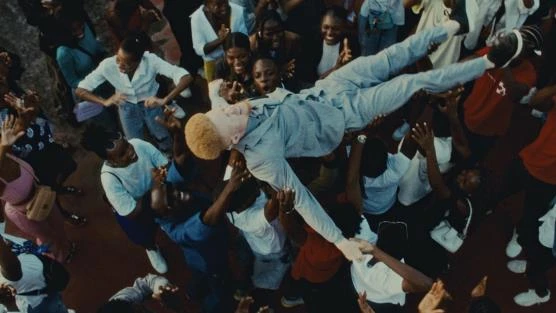
X, Lelé and Maria grew up together at the Divine Providence Home in Luanda, raised by Father Jonas, the closest thing to a parent any of them has known. Now grown, they have joined the city's working majority, where the hours are long, the pay is poor and dignity is hard to come by. Maria, a housekeeper, holds tight to her faith and the values Father Jonas gave her. Lelé, a delivery driver, has stopped waiting for justice and fights fire with fire. X, a poet with albinism, walks the streets trying to make sense of a city that barely looks at him, and finds his voice at poetry readings and late-night rap battles.
Then Father Jonas's life is threatened. The three siblings, pulled in different directions for so long, must face their deepest fears to save the man who gave them a home. Old loyalties are tested, faith meets its limits and anger looks for somewhere to go. Told in rhyme and rhythm as much as in dialogue, with semba, the music at the heart of Angola, pulsing beneath every scene, Hugo Salvaterra's debut feature is a love letter to Luanda and the people who keep it running, and to the words that help them survive it.
Then Father Jonas's life is threatened. The three siblings, pulled in different directions for so long, must face their deepest fears to save the man who gave them a home. Old loyalties are tested, faith meets its limits and anger looks for somewhere to go. Told in rhyme and rhythm as much as in dialogue, with semba, the music at the heart of Angola, pulsing beneath every scene, Hugo Salvaterra's debut feature is a love letter to Luanda and the people who keep it running, and to the words that help them survive it.